Do You Need a Permit for Spray Foam Insulation in Mecklenburg County?
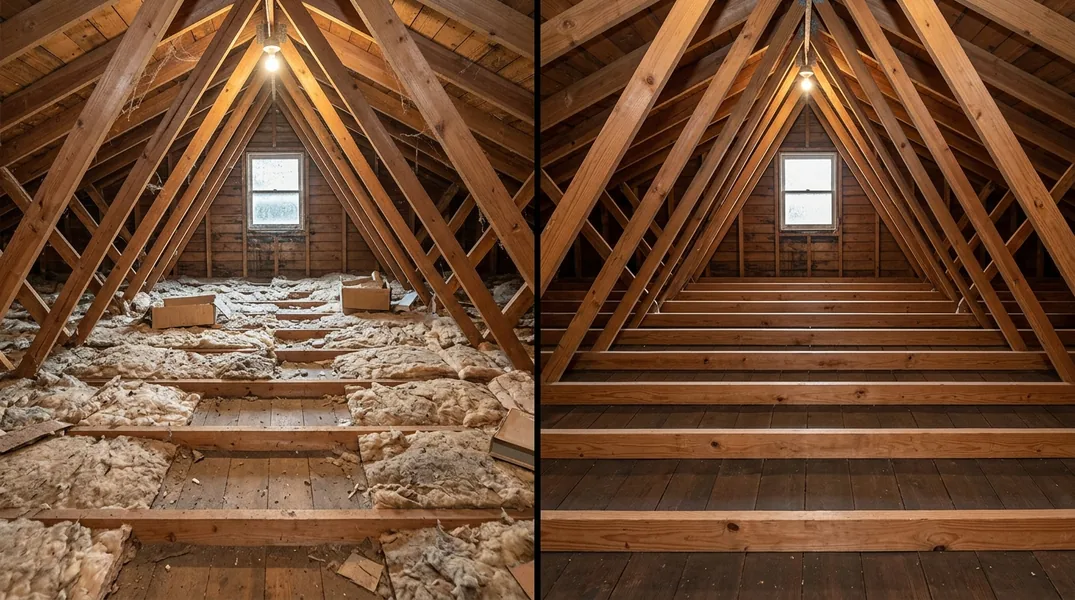
If you're planning to upgrade your home's insulation with Attic Spray Foam Insulation in Charlotte, one of the first questions you should ask is whether you need a permit. The short answer is yes, most spray foam insulation projects in Mecklenburg County require a permit from your local building department. This applies whether you're insulating an attic, basement, crawl space, or walls.
The permit requirement exists to ensure that all insulation work meets current building codes and safety standards. Mecklenburg County has specific regulations about insulation materials, installation methods, and ventilation requirements. When you obtain a permit, your project will be inspected to confirm that the work complies with these codes. While the permit process might seem like an extra step, it protects your investment and ensures your home is properly insulated for maximum energy efficiency and safety.
Understanding Open Cell vs Closed Cell Spray Foam for Permits
The type of spray foam you choose affects permit requirements and inspection standards. Open Cell Spray Foam Insulation and Closed Cell Spray Foam Insulation have different properties, and building inspectors need to know which one you're installing. Open cell foam is less dense, more affordable, and provides good sound dampening, while closed cell foam is denser, more rigid, and offers superior moisture resistance.
For permit purposes, inspectors will want to verify that your chosen foam type is appropriate for your application. In attic spaces, open cell spray foam is often acceptable because attics are typically ventilated. However, closed cell foam may be required in certain applications, particularly in crawl spaces or areas prone to moisture. The Closed Cell Spray Foam Insulation option provides a higher R-value per inch, which means you can achieve better insulation performance in tight spaces. When you work with Charlotte Spray Foam Insulation, our team can guide you through which foam type will satisfy Mecklenburg County's requirements for your specific project.
Spray Foam R-Value Requirements in Mecklenburg County
Mecklenburg County building codes specify minimum R-value requirements for different areas of your home. The R-value measures insulation's thermal resistance, and higher values indicate better insulation performance. Your attic, for example, may require an R-value between R-38 and R-60 depending on the current code, while walls might require R-13 to R-21. Understanding the Closed Cell Spray Foam Insulation R-value is particularly important because this foam type delivers approximately R-6 to R-7 per inch, meaning you need less thickness to meet requirements compared to open cell options.
When you submit your permit application, you'll need to specify the R-value you plan to achieve. The building inspector will verify during the final inspection that you've met these minimum standards. This is where the efficiency of closed cell foam becomes valuable. If you have limited space in your attic or walls, closed cell spray foam allows you to reach code-required R-values without excessive thickness. Conversely, open cell spray foam typically provides R-3.5 to R-3.6 per inch, making it suitable for applications where space is less constrained. The permit process ensures your insulation choice will actually deliver the thermal protection your home needs in Charlotte's climate.
The Permit Application Process for Spray Foam in Charlotte
Getting a permit for your spray foam insulation project in Charlotte involves several straightforward steps. First, you'll need to contact the Mecklenburg County Building & Development Services department to obtain a permit application. You'll provide details about your project, including the scope of work, the type of foam you're using, the R-value you plan to achieve, and the square footage being insulated. Some jurisdictions within Mecklenburg County may have slightly different requirements, so it's worth confirming with your local building department whether your specific address falls under county or municipal jurisdiction.
After submitting your application and paying the permit fee, you'll receive a permit number that must be displayed at your job site. Before work begins, you should schedule a pre-construction inspection in some cases, though this isn't always required for insulation work. Once the spray foam installation is complete, you'll request a final inspection. The inspector will verify that the foam was installed correctly, that it meets the specified R-value, and that no building code violations exist. The entire process typically takes one to two weeks, though timelines can vary. Charlotte Spray Foam Insulation handles many of these coordination details for our clients, so when you call (980) 217-3281 to discuss your project, we can explain exactly what to expect in your area.
Working With Insured Contractors and Inspectors
One of the best ways to ensure your spray foam insulation project complies with all Mecklenburg County permits and codes is to hire a insured contractor. Insured contractors understand local building codes, know how to complete permit applications correctly, and maintain relationships with building inspectors. They can often anticipate potential issues and resolve them before inspection day. When you're evaluating contractors for Attic Spray Foam Insulation or other foam applications, always verify their licensing status and ask about their experience with Mecklenburg County permits.
Charlotte Spray Foam Insulation is fully insured, and your local building department can tell you which permit requirements apply at your address. When you work with a reputable contractor, the permit process becomes a straightforward part of the project rather than a source of stress. We handle the technical details so you can focus on the energy savings and comfort improvements your new insulation will provide. If you're ready to explore spray foam insulation options and want to understand the permit process for your specific situation, contact us today for a free estimate.
Common Permit Issues and How to Avoid Them
Some homeowners attempt to install spray foam insulation without obtaining a permit, hoping to save time and money. This approach creates significant problems. If an unpermitted installation is discovered during a home inspection or insurance claim, you may face fines, be required to remove and reinstall the insulation properly, or experience complications with your homeowner's insurance. Additionally, unpermitted work can affect your ability to sell your home, as many buyers' lenders require proof that major improvements were permitted and inspected.
Another common issue arises when homeowners or contractors underestimate the R-value requirements or choose an inappropriate foam type for the application. Open cell versus closed cell spray foam selection matters, and using the wrong type can result in failed inspections. Similarly, improper installation techniques can cause the foam to not cure correctly or achieve its rated R-value. By working with Charlotte Spray Foam Insulation and obtaining proper permits, you avoid these pitfalls entirely. Our experience with Mecklenburg County codes means we select the right foam type, install it correctly, and ensure your project passes inspection on the first attempt. This protects your investment and gives you peace of mind knowing your insulation work is fully compliant and documented.
Looking for a professional spray foam insulation contractor in Charlotte? Charlotte Spray Foam Insulation responds fast for all your spray foam insulation needs.
Get a Free Quote